Dry Eye Syndrome
Suffering from dry, irritated eyes? We provide relief through advanced, personalized treatments to restore comfort and eye health.

What is Dry Eye?
Dry eye syndrome occurs when your eyes don't produce enough quality tears to maintain a healthy tear film. This leads to insufficient lubrication, causing discomfort and potentially affecting vision quality.
- Dry eye occurs when your eyes don't produce enough tears or when the tears evaporate too quickly, leading to inflammation and potential damage to the eye's surface.
- It's a common condition affecting millions of people worldwide, with prevalence increasing with age and digital device usage.
- While often chronic, numerous effective treatment options exist to keep your eyes healthy, comfortable, and functioning optimally.
Symptoms of Dry Eye Disease
Recognizing the symptoms of dry eye is the first step toward finding relief. Common symptoms include:
- Burning or scratchy sensation in your eyes
- Stringy mucus in or around your eyes
- Increased eye irritation from smoke or wind
- Eye fatigue and sensitivity to light
- Difficulty wearing contact lenses comfortably
- Blurred vision, especially when reading or using digital devices
- Redness and the feeling of something in your eye
Risk factors include: Prolonged screen time, aging, hormonal changes in women, contact lens wear, and conditions like autoimmune diseases, diabetes, and thyroid disorders.


Conventional Dry Eye Treatment
Dry eye is chronic but highly manageable with proper care and treatment. Some first-line treatments include:
Artificial Tears
Over-the-counter eye drops to supplement natural tear production and provide temporary relief
Warm Compresses
Applied to eyelids to help unclog oil glands and improve tear quality
Digital Breaks
Following the 20-20-20 rule: every 20 minutes, look at something 20 feet away for 20 seconds
Omega-3 Supplements
May help improve tear quality when incorporated into the diet
Advanced Dry Eye Treatment
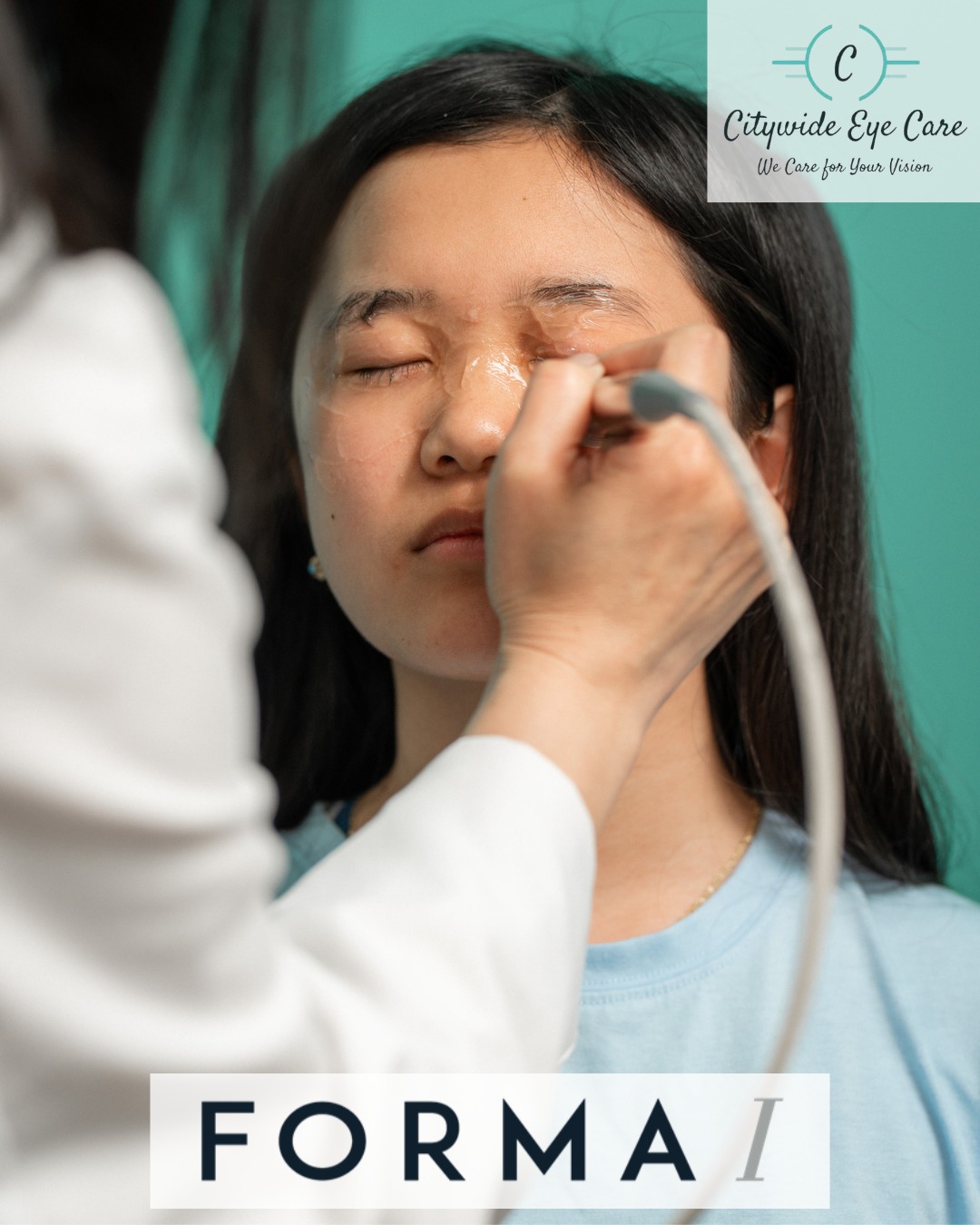
Envision by InMode offers cutting-edge, non-invasive dry eye treatment technologies that provide lasting relief while also improving the appearance of the skin around your eyes.
These advanced technologies work by targeting the root causes of dry eye, particularly meibomian gland dysfunction, which is responsible for many chronic cases. They stimulate natural healing processes, improve oil gland function, and reduce inflammation.
Our Advanced Technologies:
- Forma-I: Bipolar Radiofrequency (RF) therapy that stimulates collagen production and improves meibomian gland function
- Lumecca-I: Intense Pulsed Light (IPL) that treats inflammation and improves oil flow while reducing redness and skin irritation

Treatments We Carry

Frequently Asked Questions
Dry eye can be caused by numerous factors including aging, hormonal changes, medication side effects, environmental conditions (like windy or dry climates), extended screen time, autoimmune disorders, meibomian gland dysfunction, and blepharitis. Wearing contact lenses for extended periods can also contribute to dry eye symptoms.
Diagnosis typically involves a comprehensive eye examination that includes a patient history, evaluation of symptoms, and specific tests to measure tear production and quality. These may include tear breakup time (TBUT), Schirmer test, meibography to examine the oil-producing glands, and corneal staining to assess surface damage.
Dry eye is often chronic, but with proper management and treatment, symptoms can be significantly reduced or controlled. The condition may require ongoing care rather than a one-time treatment. Advances in treatment options, including technologies like RF and IPL, have greatly improved outcomes for many patients.
Results from RF (Radiofrequency) and IPL (Intense Pulsed Light) treatments typically last 6-12 months. Most patients benefit from an initial series of 3-4 treatments spaced several weeks apart, followed by maintenance treatments every 6-12 months as needed. Individual results may vary based on the severity of your dry eye condition.